
Interview with Lina Miccio, founder and creative mind behind Speaking Garments
With her label Speaking Garments, Lina Miccio from Cologne shows just how varied the relationship between art and fashion can be. Its strictly limited editions feature one-of-a-kind textile pieces that have even made it to the world’s oldest art fair, ART COLOGNE.
This article first appeared in an earlier publication. The examples and information reflect the situation at the time.
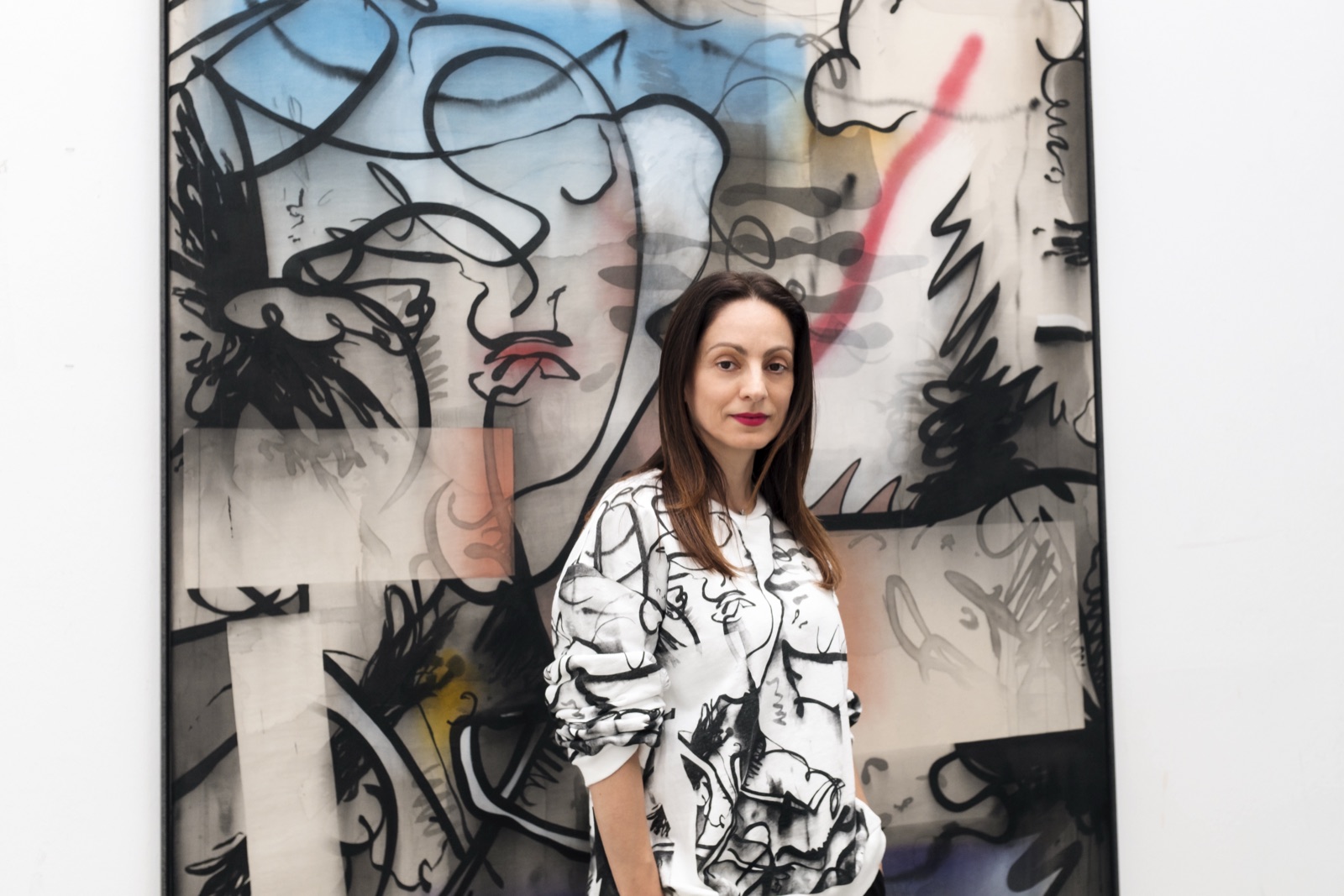
Lina, please tell us a little about Speaking Garments, yourself and your journey so far.
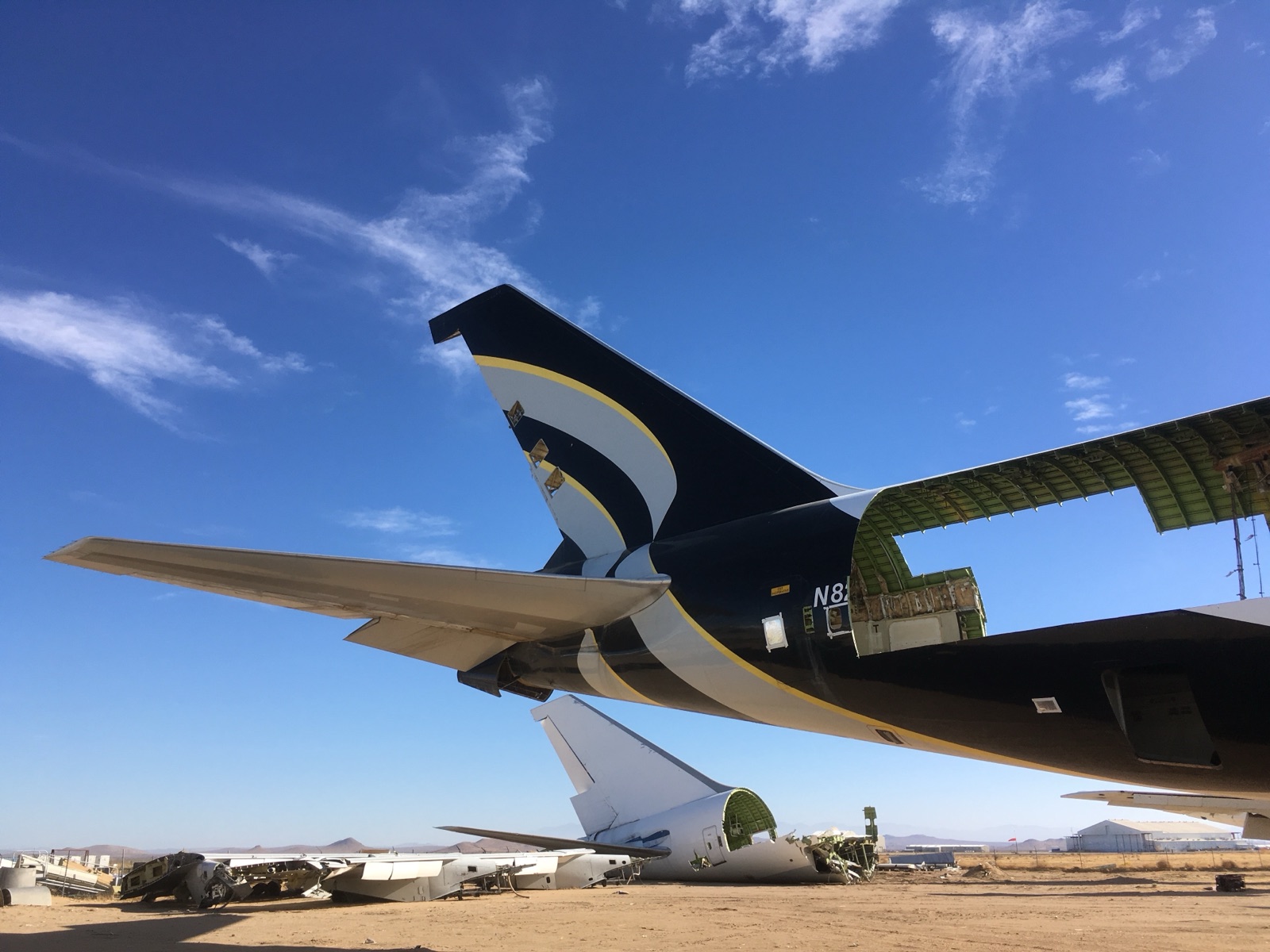
For many years, I worked as Head of Communications for various fashion brands. In 2015, after a very long time with one company, I decided to take a break and consider what the next stage of my career in the fashion world might look like. I had already been pursuing my passion for art by visiting fairs and exhibitions. That inspired me to bring these two worlds together and create something new. I didn’t want simply to print artworks on products such as T-shirts and mugs, as you might find in museum shops. There’s absolutely nothing wrong with that, but I wanted to explore art through textiles in a little more depth. I had been following the work of Michail Pirgelis, a sculptor from Cologne, for several years. His work consists largely of decommissioned aircraft parts, which he has found in aircraft graveyards in California. He transforms these found objects into artworks. In 2016, while preparing for an exhibition at Sprüth Magers in Los Angeles, he sent me photos he had taken at an aircraft graveyard in the desert. That was the key moment for me. It gave me the idea for the first Speaking Garments edition, and I was faced with the challenge of interpreting his art through textiles.
So I approached him and we exchanged ideas for a while, because of course he also had to consider what working with textiles would mean for him as an artist. Fortunately, he agreed that we should simply get started, give the creative process room to develop and see where it would lead and what the finished pieces would look like. So we embarked on the process together, and I suggested ways I might interpret his work in textile form. Ultimately, we developed two pieces together: a sweatshirt and a T-shirt. Small fragments of an aircraft are mounted on the sweatshirt. Michail cut them from a DC-10, and they were then attached to the sweatshirt with the help of a goldsmith. A screwdriver is included with the purchase, so you can unscrew the piece and wash the sweatshirt. That’s what I mean: it’s about how the artist works and how that approach can be interpreted through textiles. Another piece was also developed to reflect the minimalism of his work: a very clean, white sweatshirt with a striking seam down the centre, symbolising welding. The approach is highly conceptual, but also involves exploring his working methods and artworks in depth. All the pieces are produced in limited, numbered editions and come with the artist’s signature. That’s an example of how the first edition came about; the process was very similar for the collaborations that followed.
Where do you have your textiles made, and what materials do you use besides aircraft aluminium?
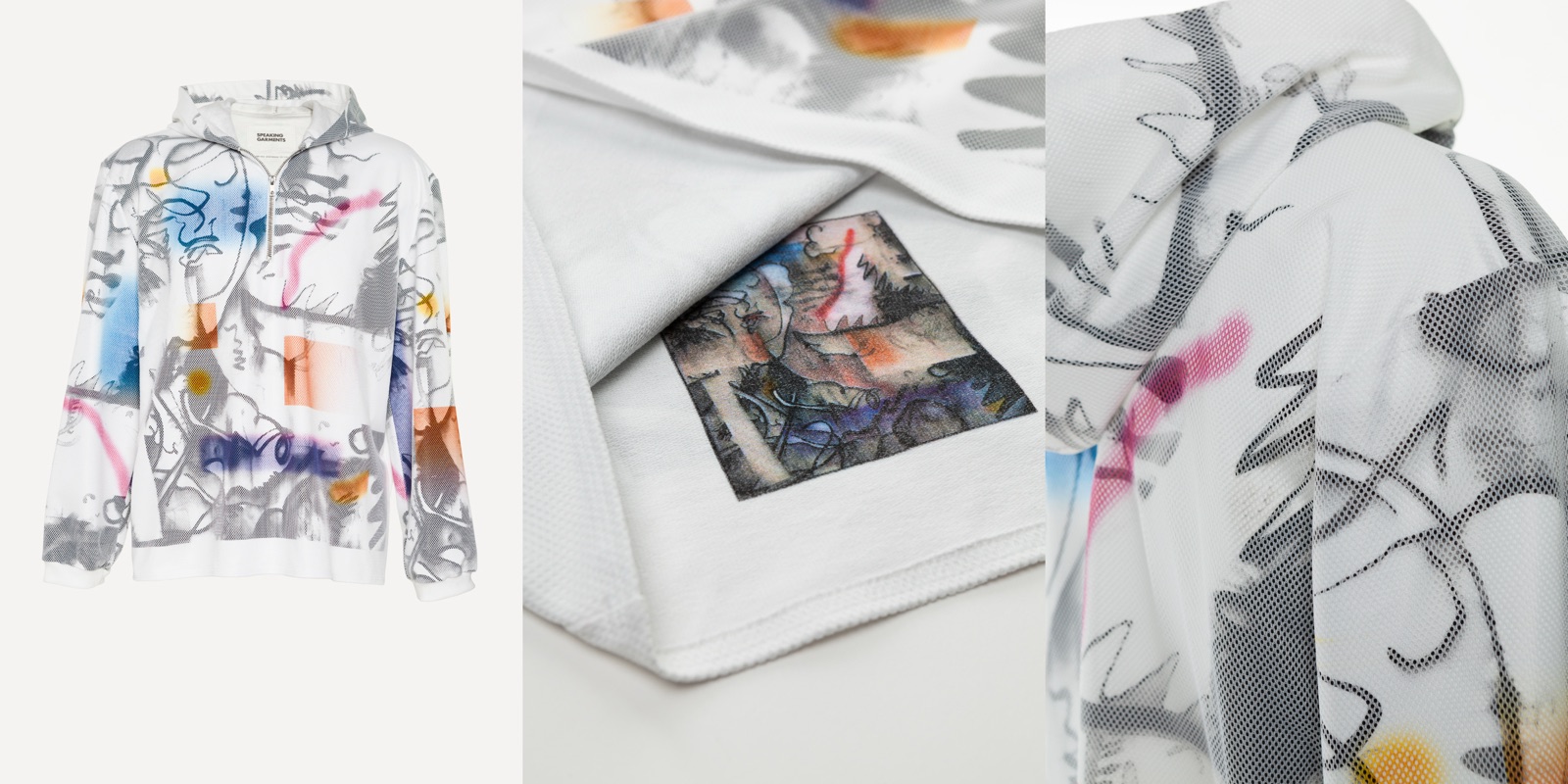
I have everything made in Germany and work with various tailoring workshops and pattern cutters. So far, we have developed new patterns for every edition, as this is also a way of doing justice to the artist’s work. The materials we use also need to capture the artist’s sensibility. That is why each edition has its own distinctive features, whether in the materials or in how they are used. For our collaboration with Jan-Ole Schiemann, we created a mesh jacket inspired by his work ‘Distractingly Sexy’. The artwork was translated into textile layers that document how it was created. The base layer of the artwork can be seen on the jacket. A further layer featuring the vivid colours is printed onto mesh, which is then layered and sewn together with the black-and-white printed cotton. When worn, the two fabric layers, sewn one on top of the other, move against each other. Another example comes from our collaboration with artists Gert and Uwe Tobias: we developed a coat with a complete woodcut printed on the back in 16 colours. It took me six months to find someone who could print it. It is, of course, very labour-intensive, and not worthwhile for most printers with such a small production run. Every edition has brought its own challenges – but that is what drives me and gives me the opportunity to contribute my own ideas to the creative process, in consultation with the artist.
On average, how long does it take to create a new edition, from concept to completion?
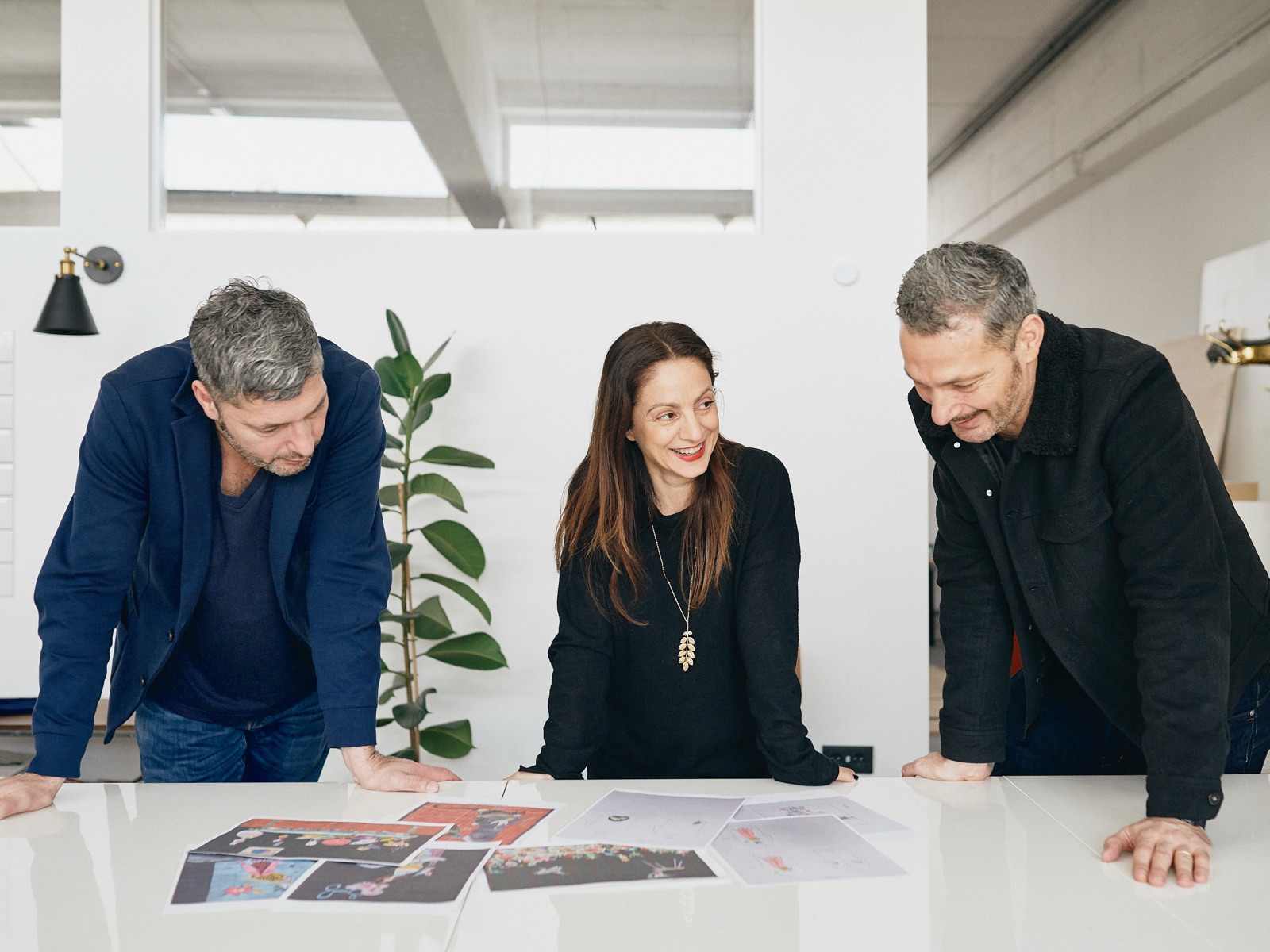
It takes about a year. In my view, that is why taking an approach like this to ‘art on textiles’ is too time-consuming for most big brands: they face very different commercial pressures and work to very different schedules. I consciously chose not to put myself under that kind of time pressure, so I decided to set up my own label.
Berlin Fashion Week starts in just a few days. Which trade fairs do you visit, and where do you exhibit?
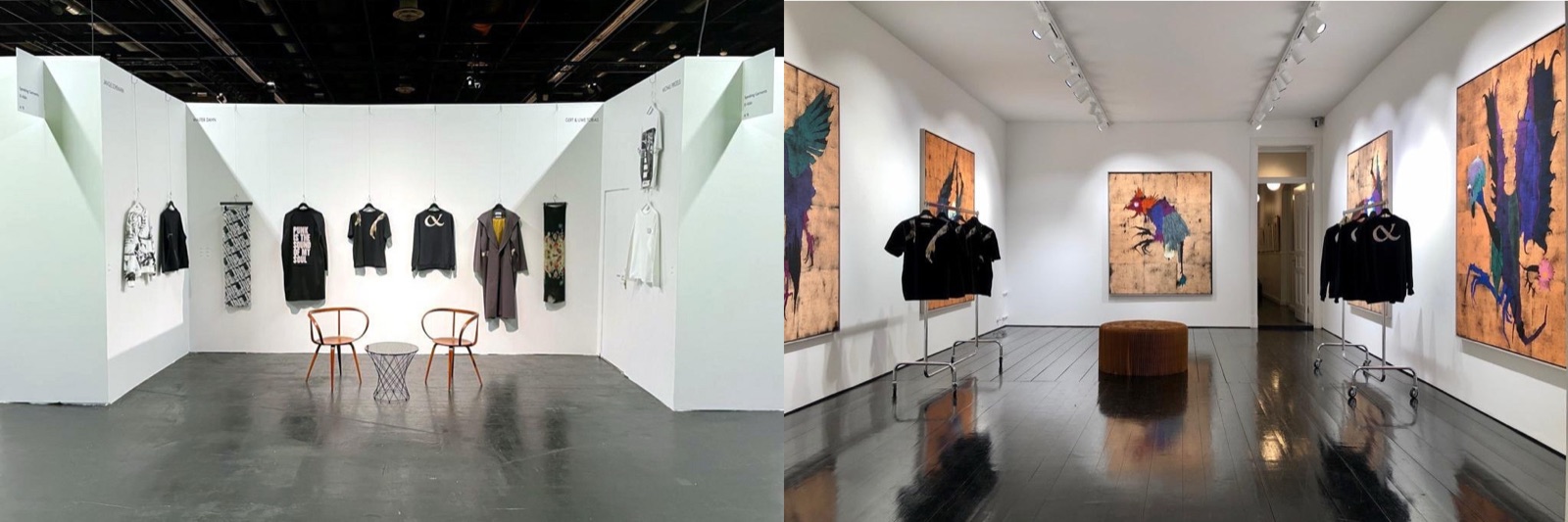
I think Berlin is a wonderful city, a real melting pot. If I had more time, I would love to take part in Fashion Week with the right exhibition concept. But I run a very small business and my work with the artists is so intensive that I simply don’t have time to take part in so many separate events. I have, however, shown a Speaking Garments edition in Berlin at the ‘Contemporary Fine Arts’ gallery, which also represents the Tobias brothers. Their work was on show there at the time, and I was able to present the edition we had created together for Speaking Garments, which was wonderful. Then, in 2022, I took part in ART COLOGNE as an exhibitor. It was a very special moment for me: I was the only exhibitor working in textiles, alongside so many renowned artists and galleries.
Where can I buy Speaking Garments?
I sell my pieces here in Cologne at the showroom in Benessistraße, as well as online through the shop at www.speakinggarments.com. I’ve also worked with APROPOS The Concept Store. Together, we personalised one of my ARTITS PROOF sweaters for their Art Corner, where it was exclusively available. It was a really great collaboration. As many of my customers are based abroad, online sales are a very important channel.
Thank you for the interview!
Published in January 2023 by FASHION TODAY.
BACK TO THE JOURNAL