
Fashion and music make it easy to recognise different eras. But can you feel nostalgic for a time you never experienced? Whether it’s the style of the Swinging Sixties or the current wave of 1990s revivals, what fascinates us about these iconic looks – and what is the economic significance of this nostalgia?
This article first appeared in an earlier publication. The examples and information reflect the situation at the time.
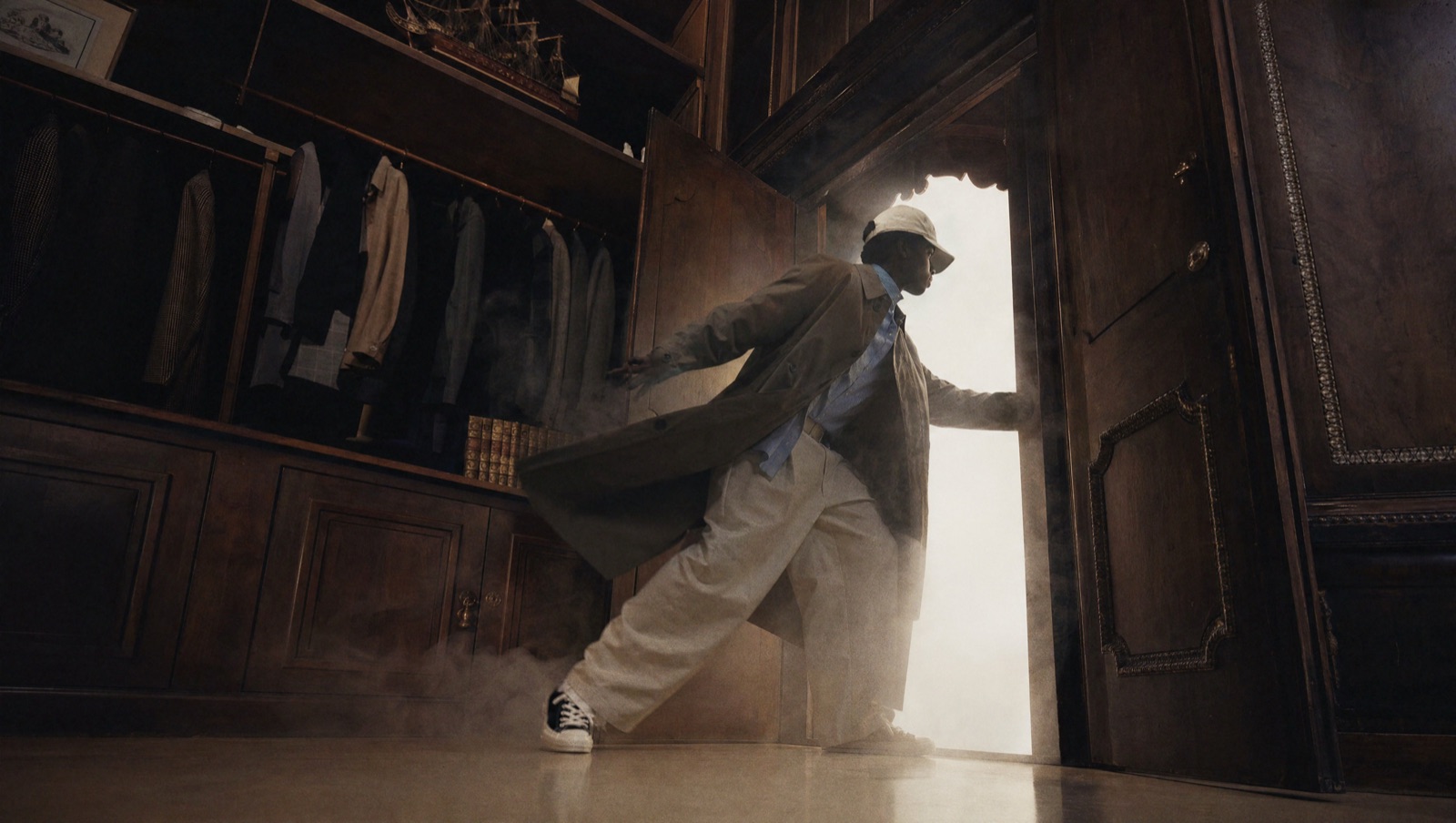
To be honest, it’s lovely to see so many of the trends and brands I wore in my youth making a comeback. Streetwear brand Homeboy is one such label. It describes itself as the world’s second-oldest streetwear brand and has a colourful history. Founded in 1988, its signature style has always stood for skatewear and relaxed silhouettes. And now it’s in tune with the spirit of the times once again. “The trousers have been updated for today. A tapered cut, with the legs rolled up slightly. The vibe is still there,” say the people behind the brand. Other labels also embody the workwear and sportswear looks of the 1980s and 1990s, right through to the logomania of the 2000s. Stüssy, Carhartt WIP, Champion, Fila, Kappa, Tommy Hilfiger and Levi’s in particular are experiencing – or have already enjoyed – a noticeable revival. Tamagotchis were also all the rage back then: keyring-sized plastic eggs with three buttons and a screen. If you had bought one of these eye-wateringly expensive toys, you had to take proper care of the virtual pet on the screen. Otherwise, you wouldn’t get much out of the toy – your virtual pet would simply die. Today, the big tech companies are trying to introduce us to their own AI agents – admittedly, much smarter ones – in much the same way. Cute and colourful: OpenAI calls them “Dots”, while Meta calls them “Muse”.
Retro is all about duality: for younger generations it means discovering something new, while for others it means looking back. “It doesn’t matter if you weren’t there the first time. The past is a place you can visit again and again,” according to Mintel’s “Never Say Die” trend, which examines consumers’ receptiveness to advertising and marketing campaigns that draw on the past. “Advertisers know that nostalgia marketing resonates with the audience who first experienced the product or service being promoted. However, if they fail to adapt their advertising messages for the modern age, they risk excluding generations who didn’t grow up with the brand.” Yet right now, a wave of nostalgia seems to be sweeping across Germany. Analyses by Tagesschau and surveys such as those by Infratest dimap show a pronounced longing for past decades. For example, a majority of Germans look back on the 1980s as a time when life was better than it is today. Above all, people seem drawn to analogue life and a time that wasn’t “Always Online”. So, less screen time and more face-to-face interaction after all – more time together, less scrolling? Bricks-and-mortar retailers would certainly welcome that. Taking a break from screens seems to make sense from a purely scientific perspective, too. Fellow journalist Luisa Jacobs of DIE ZEIT recently tested the effects of stepping away from her smartphone on her own brain, in a revealing self-experiment that included an MRI scan.
First published in October 2026 by FASHION TODAY.
BACK TO THE JOURNAL