
Designer fashion at the discount supermarket
This combination can take some strange forms. DHL delivery drivers are true heroes and, especially during the pandemic, essential to everyday life for most people in Germany. Yet few are likely to realise that, through a collaboration with the label Vetements, their workwear has become highly coveted in the fashion world. For example, a T-shirt with a bold DHL logo print for $660 or a colour-block polo shirt for $730.
This article first appeared in an earlier publication. The examples and information reflect the situation at the time.

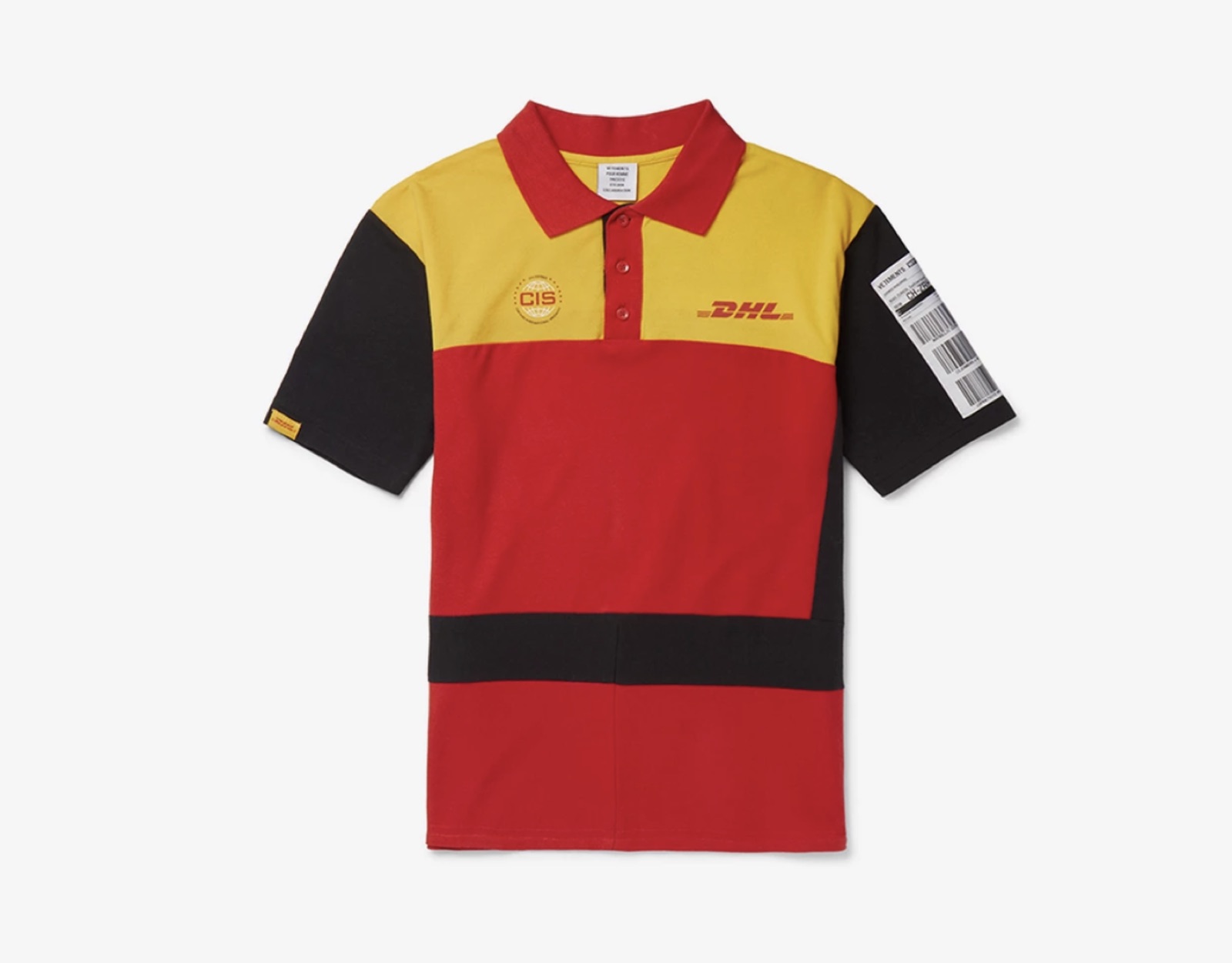
For some streetwear enthusiasts, designer Demna Gvasalia’s label Vetements – the driving force behind the DHL collaboration – has cult status. The limited-edition collection sold out shortly after launch. Many other companies across a wide range of sectors have long been forming brand partnerships, too. In 2014, Karl Lagerfeld announced a capsule collection with H&M, prompting scenes of shopping pandemonium. Demand was huge: the website crashed at one point, while in-store, the pieces sold out completely within a few hours. Successful collaborations with other equally high-profile designers, including Balmain, Sonia Rykiel and Roberto Cavalli, have repeatedly given Swedish retailer Hennes & Mauritz a huge PR boost. The most important thing: keep it limited! The pieces only become desirable when they are available for a limited time and have the potential to become collector’s items. By contrast, when designer goods become widely available through unregulated channels (for example, supplied by a brand’s licensees), the brand’s image suffers.
Democracy and design
“The democratisation of good design.” This was Jette Joop’s aim, in her own words, when she presented her fashion collection for discount retailer Aldi Süd. The mother of a 13-year-old son said she knew that many people did not have access to fashion. Often, she said, “the designs are too outlandish, too expensive and shown on skinny models.” “High-quality and affordable” was Jette Joop’s promise at the time. The Braunschweig-born designer was not afraid that the collaboration might damage her image. “I see it as a cheeky challenge. Aldi has cult status,” she said in an interview with Handelsblatt at the time. And she would be proved right.
The cult of the discount retailer
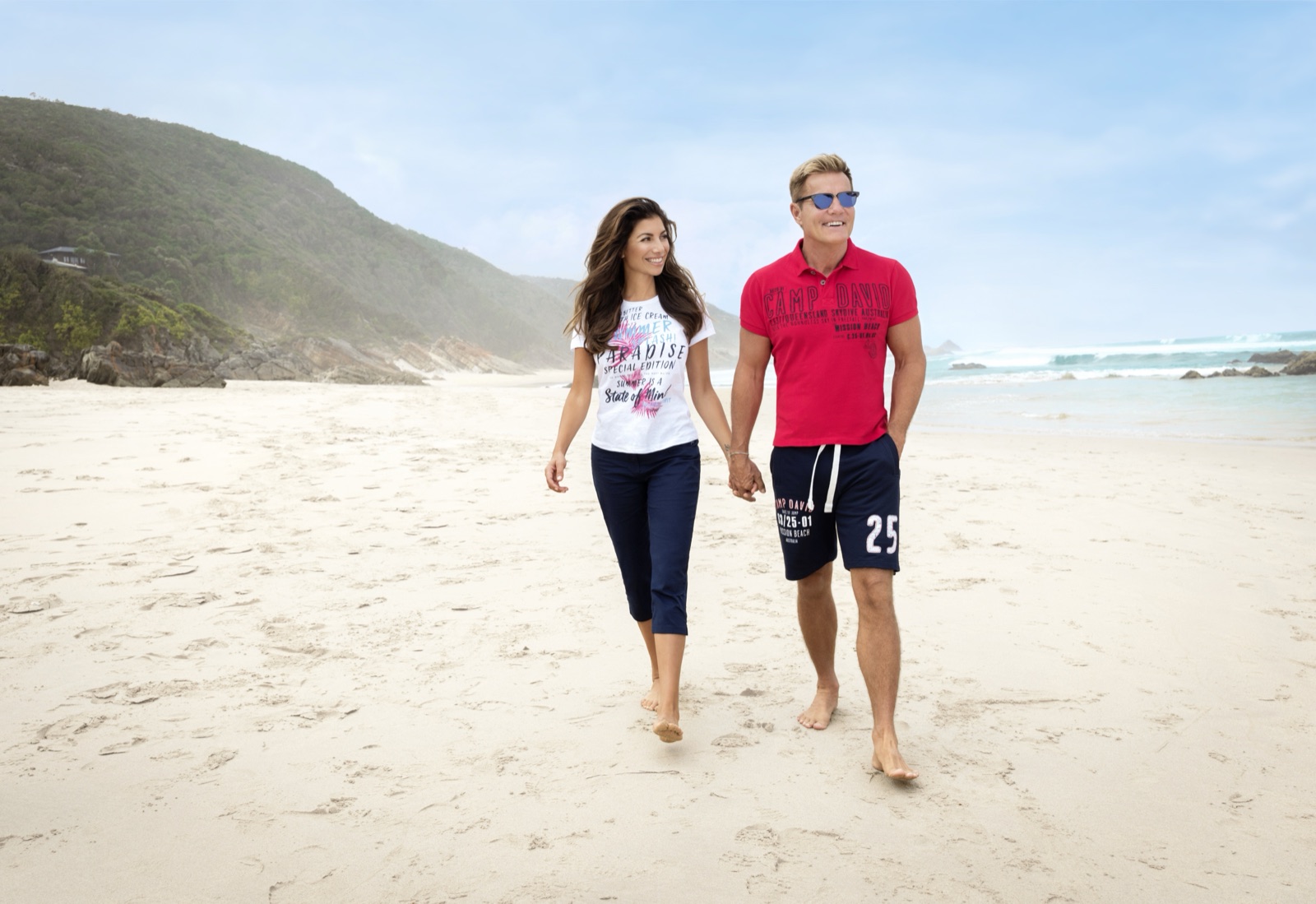
Her company JETTE has suffered no damage to its image. On the contrary, she spotted a trend early on, one that others are now keen to follow. Camp David recently enlisted its celebrity brand ambassadors Dieter Bohlen and Carina Walz to present “a further summer collection as a second, exclusive addition” for the LK discount retailer LIDL. People seem to love it and are buying enthusiastically, as we discovered during our store visit. When asked, neither LIDL nor the Clinton Group, Camp David’s parent company, provided specific figures. Asked by FT what appealed to him about the collaboration, Dieter Bohlen said: “I’ve been the face of Camp David for over ten years, and the clothes suit me perfectly. I’m delighted to have such a long-standing partnership with Camp David and to be able to get so many people excited about the outfits.” The plan seems to be working.
Published in May 2021 by FASHION TODAY.
BACK TO THE JOURNAL