
Potential customers are just one click away, yet they are inundated with information. This makes it even more important for fashion brands to shape every touchpoint between brand and customer with intention.
The ultimate challenge is to generate demand before a lead even exists. This requires a strong brand identity, compelling products and a smart mix of channels and tactics, including content, organic search, paid advertising, social media, in-person and digital events, retargeting and signal-based outreach. What holds true in B2C also applies to B2B: it is not necessarily the best product that wins, but the brand that is most prominent in the buyer’s mind before they place an order.
This article was originally published elsewhere. The examples and information reflect the situation at the time.
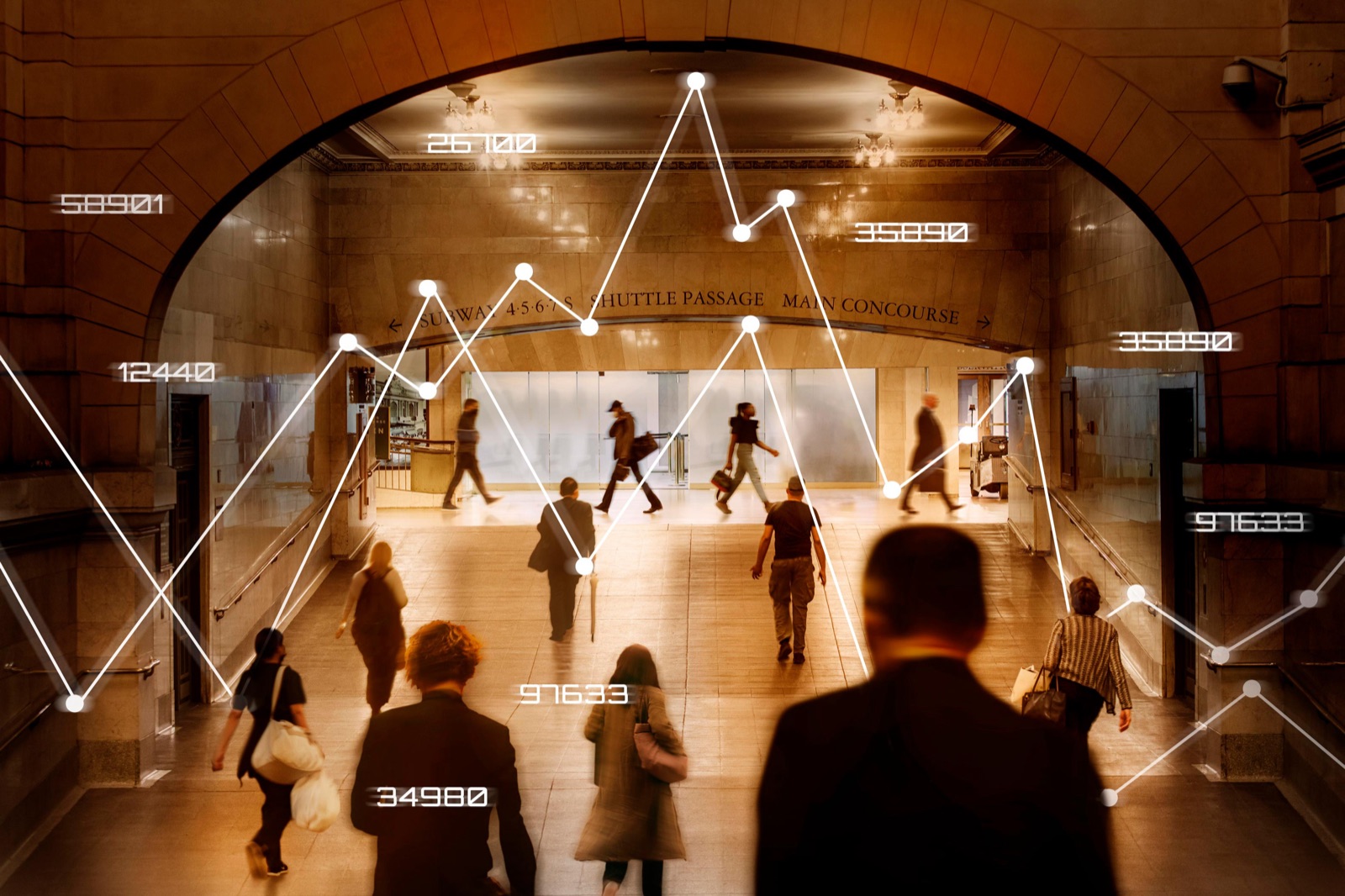
Unlike “lead generation”, “demand generation” is about creating demand. Hundreds of brands compete for attention, and buyers typically encounter several touchpoints before making a purchase decision, from social media and editorial content to trade fairs and direct conversations. “To create a consistent brand image in consumers’ minds, all touchpoints must, of course, be managed in a coordinated way,” says Prof. Dr Andrea Bookhagen in her work on touchpoint analysis as a tool for monitoring and managing brands. Demand generation is neither a short-term marketing trend nor a funnel template; by building trust over time, it ideally creates a solid fan base.
What brands can do at the point of sale
Ultimately, the quality of the partnership between a brand and its retail partners determines how enthusiastically a product is sold to end customers. Brands that go beyond simply supplying products and actively support retailers are making a smart investment. This includes imagery, videos and other social media assets, as well as point-of-sale materials. Denim label Butcher of Blue is an outstanding example. At a time when many brands are focusing on direct-to-consumer sales and leaving retailers out of the picture, the Dutch brand sees traditional retail as both a sales channel and a shop window. “You can tell that retailers are finding it less and less enjoyable to work with big brands, because those brands are becoming increasingly demanding. We, on the other hand, believe we gain a great deal from our relationship with retailers,” explain founders Bob and Maarten Rijnders. They actively ask for feedback and use what they learn to develop their range. Marc O’Polo is following a similar path, as CEO Maximilian Böck explains on the podcast from Hamburg-based digital commerce company Etribes. Rather than focusing on AI personalisation and performance marketing, the brand consistently prioritises close customer relationships, authenticity and long-term investment in the brand, according to Böck. The strategy is paying off: Marc O’Polo says it has achieved revenue growth of 60 per cent over the past five years, reaching a total of 630 million euros, despite intense competition and rising marketing costs in fashion e-commerce.
First published in April 2026 by FASHION TODAY.
BACK TO THE JOURNAL